
- Posted By Admin
Jun
road force tyre balancing services from-new bharath pitstop dubai uae
A smooth and comfortable drive depends on more than just good tyres. Your wheels and tyres must also be properly balanced to maintain stability, handling, and driving comfort. If you notice steering wheel vibrations, uneven tyre wear, or shaking at certain speeds, the problem may be related to tyre or wheel imbalance.
For drivers in Dubai, professional Road Force Tyre Balancing are designed to identify tyre and wheel problems that may not be detected through standard wheel balancing. A road force testing under conditions that closely represent the pressure it experiences while driving. Using advanced equipment and experienced technicians, road force tire balancing helps identify unwanted vibrations and improve overall ride quality.
So, you have to understand what road force tire balancing means, how it differs from standard wheel balancing, why road force variations occur, when you may need the service, and how long the process usually takes.
What Is Road Force Tire Balancing?
Road Force Tire Balancing is an advanced tyre balancing method that checks how a tyre and wheel assembly behaves under a load similar to the pressure it experiences while driving on the road.
A road force testing is not simply checked for weight imbalance. The testing process also looks at how the tyre responds when pressure is applied. This tire balancing especially useful when normal wheel balancing has not completely solved a vibration problem.
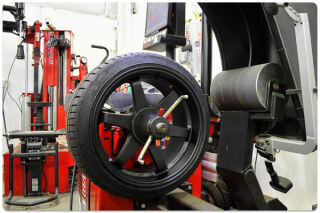
Unlike a traditional wheel balancing machine, a road force balancing machine applies pressure against the tyre while the wheel rotates. This allows technicians to identify variations in the tyre and wheel that can cause vibrations even when the assembly appears properly balanced.
The machine can detect factors such as:
> Radial force variation
> Tyre stiffness differences
> Wheel runout
> Tyre and rim mismatch
> High and low spots
> Excessive radial or lateral runout
> Areas where the tyre and wheel do not work together smoothly
Once the problem is identified, the technician can make precise adjustments to improve the overall balance of the road force tyre and wheel assembly.
Wheel Balancing and Road Force Balancing Difference
Standard wheel balancing and road force tire balancing have the same basic goal, which is reducing vibration and improving the smoothness of the vehicle. However, they work in different ways.
> Standard Wheel Balancing
Traditional wheel balancing measures the weight distribution around the wheel and tyre assembly. If one area is heavier than another, balancing weights are added to compensate for the difference. This method is effective for many common balancing problems and is an important part of regular tyre maintenance.
> Road Force Balancing
Road force balancing goes a step further. It measures not only weight imbalance but also how the tyre and wheel respond when pressure is applied to them. A road force tyre can be correctly balanced by weight but still create vibration because of stiffness differences, tyre construction, wheel deformation, or poor tyre-to-rim positioning.
Therefore, this tire balancing is particularly useful when a vehicle continues to vibrate even after conventional wheel balancing has been performed.In simple terms, standard wheel balancing checks weight distribution, while road force tire balancing checks how the tyre and wheel perform together under simulated road conditions.
Why Do Road Force Variations Occur?
The variation does not always mean that your tyre is damaged. Several factors can contribute to it.
1. Tyre stiffness variation
Different areas of the same tyre may not have exactly the same stiffness. When the tyre rotates under load, these differences can create variations in the force transmitted to the vehicle.This is one of the reasons why a tyre may need more detailed testing than a conventional balancing procedure.
2. Wheel runout
A wheel that is slightly bent or deformed may not rotate perfectly. Even a small amount of wheel runout can contribute to vibration.
3. Tyre and rim mismatch
The high spot of a tyre and the high spot of a wheel can sometimes line up in an unfavourable position. This can increase the overall radial force variation. Road force testing can help technicians identify this type of mismatch.
4. Uneven tyre wear
Irregular or uneven tread wear can affect the way the tyre contacts the road. This may result in vibration, noise, or reduced driving comfort.
5. Previous impact damage
Potholes, kerbs, and road impacts can affect wheels and tyres. Dubai roads are generally well developed, but vehicles can still experience impacts from road debris, speed bumps, potholes, or kerbs.
6. Tyre ageing or deformation
Older tyres can develop changes in their shape or structure. Long periods of storage, incorrect inflation, or prolonged parking can also contribute to temporary or permanent deformation.
Signs Your Vehicle May Need Road Force Balancing
Drivers in Dubai, Knowing the warning signs can help you address tyre and wheel problems before they become more serious. You may consider a detailed tyre and wheel care if they experience:
> Steering wheel vibration at highway speeds
> Shaking through the vehicle body
> Repeated vibration after normal wheel balancing
> Uneven or irregular tyre wear
> Steering wheel wobbling
> Increased road noise
> A feeling that the vehicle is not driving smoothly
> Vibration that becomes more noticeable as speed increases
> Persistent tyre vibration after fitting new tyres
If a conventional wheel balancing service has already been completed but the vibration remains, road force testing can help identify problems that standard balancing may not reveal. For drivers who notice vibration mainly at certain speeds, a professional road force tyre inspection can be particularly useful in finding the reason behind the problem.
When Is Road Force Tire Balancing Recommended?
Road force tire balancing and testing is not necessarily required for every vehicle every time a tyre is fitted. Standard wheel balancing is sufficient for many routine tyre services. However, road force balancing can be particularly useful in situations such as:
> After fitting new tyres
If new tyres have been installed and the vehicle still feels uncomfortable or vibrates, This test can help identify tyre and wheel variations. A newly installed tyre should work smoothly with the wheel. If it does not, further testing may help locate the problem.
> When vibration continues after standard balancing
This is one of the most common reasons to consider the service. If weights have been added but the vibration remains, the issue may not simply be weight imbalance. In such cases, road force tire balancing provides a deeper look at the tyre and wheel assembly.
> For high-speed driving
Drivers who frequently travel on highways may notice even small vibrations.Tyre balancing can help improve high-speed ride quality by identifying certain tyre and wheel irregularities.
> For premium or performance vehicles
Luxury and performance vehicles can be more sensitive to wheel and tyre irregularities. A precise balancing procedure can help maintain the expected level of driving comfort.
> After hitting a pothole or kerb
A strong road impact can affect the wheel or tyre. This Balancing inspection can help determine whether the assembly has developed a measurable variation.
How Road Force Testing Works at New Bharath Pitstop
At New Bharath Pitstop Dubai, the process is carried out systematically to identify and correct tyre and wheel irregularities.
1. Tyre and wheel inspection
The technician first checks the tyre, tread, sidewall, rim, and wheel assembly for visible damage or unusual wear.
2. Wheel mounting
The wheel and tyre assembly is correctly mounted on the road force tire balancing machine.
3. Road force measurement
The machine rotates the assembly while applying a controlled load to the tyre. It measures the force variation and identifies areas that may contribute to vibration. This step gives technicians useful information about how that tyre behaves under load.
4. Results analysis
The technician examines the machine readings to determine the source and level of the variation.
5. Corrective adjustment
Depending on the results, the technician may reposition the tyre on the wheel, adjust balancing weights, or recommend further inspection if the tyre or wheel has a serious problem.
6. Final check
The assembly is tested again to confirm that the correction has improved the balance and reduced the measured variation. This approach provides a more detailed assessment than simply adding balancing weights and makes this tyre balancing inspection useful option for persistent vibration concerns.
How Long Does Road Tire Force Balancing Take?
The exact service duration depends on the vehicle, number of wheels being checked, tyre condition, and whether any additional correction is required.In many routine cases, Tire balancing can take around 30 to 60 minutes for a complete set of four wheels. If the technician discovers a bent rim, tyre damage, severe uneven wear, or another issue, additional time may be required for inspection and correction. It is always better to allow enough time for proper testing rather than rushing through the process. A detailed road force inspection for tyre can help ensure that the actual source of the vibration is properly understood.
Benefits of Proper Road Force Balancing
Choosing professionals can provide several advantages.
> Smoother driving experience
Reducing unwanted vibration can make daily and highway driving more comfortable.
> Better handling
A properly balanced tyre and wheel assembly can support more predictable steering and handling.
> Reduced uneven tyre wear
Correcting certain tyre and wheel issues can help reduce unnecessary or uneven tread wear.
> Improved driving comfort
Less vibration through the steering wheel, seats, and vehicle body can make longer journeys more pleasant.
> Early identification of tyre and wheel problems
Road force tire testing can reveal potential issues with tyre stiffness, wheel runout, or tyre-to-rim positioning.
> Better tyre performance
When the balancing tyre and wheel assembly work together correctly, the vehicle can provide more consistent road contact and performance.
Why Choose New Bharath Pitstop in Dubai?
New Bharath Pitstop Dubai, provides tyre and wheel-related services with a focus on accurate inspection and professional workmanship. Its trained technicians use suitable equipment to assess tyre balance and identify possible causes of vibration. When you choose a professional road force balancing service for tyre in Dubai, you can benefit from:
> Experienced technicians
> Advanced balancing equipment
> Detailed tyre and wheel inspection
> Professional corrective adjustments
> Convenient automotive service
> Focus on driving comfort and safety
> Solutions based on actual machine measurements
Instead of simply adding more weights when a vibration continues, This type balancing can help technicians understand what is actually causing the problem.
Road Force Tyre and Tire Balancing for Dubai Drivers
Dubai's driving conditions include busy city roads, highways, frequent speed changes, and long-distance travel. Many drivers also spend considerable time travelling at higher speeds between different areas of the UAE.
A small tyre or wheel issue may become more noticeable at higher speeds. Regular tyre inspection, correct tyre pressure, wheel alignment, wheel balancing, and timely road force tire balancing can all contribute to better vehicle performance. A road force tyre assessment can be especially useful when a driver feels that the vehicle is not smooth even though the tyres appear to be in good condition.
It is also important to remember that wheel alignment and wheel balancing are different services. Alignment focuses on the angles of the wheels, while balancing focuses on the distribution and behaviour of the tyre and wheel assembly. Road force testing provides an additional level of testing when standard balancing does not fully resolve vibration concerns.
FAQs
1. What is Road Force Balancing and why is it needed?
Road Force Balancing is an advanced tyre balancing procedure that measures how a tyre and wheel behave under load. It is especially useful when a vehicle has persistent vibration that cannot be fully corrected through standard wheel balancing.
2. What is the difference between Regular wheel balancing and Road Force?
Regular wheel balancing mainly corrects uneven weight distribution by using balancing weights. Road force tire balancing also measures road force variation, tyre stiffness differences, wheel runout, and tyre-to-rim matching. It provides a more detailed assessment of the complete tyre and wheel assembly.
3. When should I get Road Force Testing Dubai?
You may consider road force in Dubai if your steering wheel vibrates at higher speeds, your vehicle shakes after new tyres are fitted, or vibration continues after standard wheel balancing.
4. Can Road Force Testing fix vibration after normal wheel balancing?
It can help identify the cause of vibration that standard balancing may not detect. Depending on the measurement results, the technician may reposition the tyre, adjust weights, or identify a tyre or wheel issue that needs further attention.
5. How Long Does the Service Take?
A complete four-wheel tire balancing service may take approximately 30 to 60 minutes in routine cases. The duration can increase if additional tyre, wheel, or rim problems are found.
6. Does This type of Balancing Improve Tyre Life?
Yes, Properly addressing tyre and wheel irregularities can help reduce certain types of uneven tyre wear. However, tyre life also depends on inflation pressure, alignment, driving habits, road conditions, tyre quality, and regular maintenance.
7. Is This Service Needed After Every New Tyre Installation?
Not always. Standard wheel balancing is commonly performed after tyre installation. Road force tire balancing is particularly useful when there is persistent vibration, a difficult-to-balance assembly, or a specific concern about tyre and wheel uniformity.
8. Can This Type Balancing Service identify a bent wheel?
This type of road force service is a equipment can provide useful measurements related to wheel and tyre irregularities, including runout and force variation. If a bent or damaged wheel is suspected, the technician can recommend further inspection or repair or replacement where appropriate.
Conclusion
A smooth ride depends on tyres and wheels working together correctly. While standard wheel balancing is an important part of routine vehicle maintenance, This way of balancing provides a more detailed to investigate persistent vibration and tyre-wheel irregularities.
If you experience steering wheel shaking, uneven tyre wear, vibration at highway speeds, or continued discomfort after standard wheel balancing, professional road force tire balancing may be worth considering. A proper road force tyre inspection can help identify issues related to tyre stiffness, wheel runout, or tyre-to-rim positioning.
New Bharath Pitstop in Dubai, UAE provides professional tyre and wheel services with trained technicians and advanced equipment. Proper testing and correction can help improve ride comfort, handling, and overall tyre performance, giving you greater confidence every time you drive.


